YAMAHA R6-R1 Front Wheel Axle Brake Rotor
fits model: R1, R6, R6s, Yzf. make: Yamaha. year: 2006–2009.
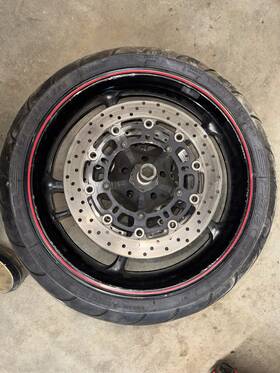
( Manufacturer Part Number: R6-R1 ), ( Part Type: Rotor Wheel Axle Brake ), ( Placement On Vehicle: Front Wheel ), ( Compatible Fastener Seat Type: Axle ), ( Wheel Diameter: 17 ), ( Country Of Origin: Japan )
Review YAMAHA 04-14 03-14 Front Wheel Axle Brake Rotor fits R1 R6 R6S YZF 2006–2009
The **Yamaha R6 (2004 2014), R1 (2004 2014), and R6S (2006 2009)** along with their high-performance front wheel axle and brake rotor assemblies represent some of the most refined and technologically advanced components in Yamaha s legendary lineup of sportbikes. These systems are meticulously engineered to deliver uncompromising braking performance, durability, and precision, making them essential for both track-focused riders and those seeking the ultimate in on-road control. The **front wheel axle** in these models is forged from high-strength aerospace-grade aluminum, ensuring rigidity and resistance to flex under extreme cornering forces, while its precise machining guarantees a perfect fit with the suspension and brake calipers. The **brake rotor**, a critical element in these bikes stopping power, is crafted from high-performance cast iron with optimized venting and cooling channels to dissipate heat efficiently, preventing fade during aggressive braking sessions. The **R6 (2003 2014) and R6S (2006 2009) versions** feature slightly different rotor dimensions and mounting configurations, with the R6S incorporating a slightly larger diameter for enhanced stopping power, while the R1 s more aggressive braking system benefits from a heavier-duty rotor design tailored to its higher power output. Whether sourced as an OEM replacement or a high-quality aftermarket upgrade, these components are designed to maintain the original bike s handling dynamics while offering improved longevity and responsiveness. For enthusiasts seeking to restore or enhance their Yamaha s performance, these axle and rotor assemblies are the backbone of a reliable, high-performance braking system that balances strength, weight, and thermal management making them indispensable for riders who demand nothing less than perfection.
### **Pros and Cons of Buying Used Yamaha R6 (2004 2014), R1 (2004 2014), R6S (2006 2009), or Front Wheel Axle/Brake Rotor Parts**
---
### **Yamaha R6 (2004 2014) General Overview**
#### **Pros:**1. **Performance and Reliability** The R6 is a legendary 600cc supersport bike with a naturally aspirated inline-four engine that delivers strong power (118 124 hp, depending on model) and is known for its durability if maintained properly. The 2004 2014 models share many core components, making parts and tuning easier to find.
2. **Lightweight and Agile** The R6 is one of the lightest production supersports, weighing around **420 430 lbs (wet)**, which makes it highly maneuverable and responsive in corners.
3. **High-Quality Build** Yamaha s engineering ensures precision in the chassis, suspension (Ohlins in later models), and braking system (Brembo in most years). The 2004 2014 R6 features a **double-cradle aluminum frame**, which is strong yet flexible, reducing weight while maintaining rigidity.
4. **Aftermarket Support** The R6 has a massive aftermarket following, with widespread availability of performance parts (exhausts, ECU tunes, suspension upgrades) and customization options. This makes it easier to keep the bike relevant and fast.
5. **Fuel Efficiency** Compared to modern supersports, the R6 is relatively fuel-efficient, averaging **40 50 mpg** on the highway, making it practical for daily riding.
6. **Resale Value** While not as high as newer models, well-maintained R6s hold value reasonably well, especially in the used market.
7. **Racing Pedigree** The R6 was a dominant force in **Superstock 600cc racing** in its era, proving its reliability and performance in competitive environments.
8. **Ease of Maintenance** The engine is straightforward to work on, with accessible components and a reputation for longevity if serviced regularly.
---
#### **Cons:**1. **Aging Technology** The R6 lacks modern advancements like **traction control, ABS (until 2013), or advanced electronics** found in newer bikes. The 2004 2012 models have **no ABS**, which can be a safety concern in wet conditions.
2. **Suspension Limitations** While the Ohlins suspension (introduced in 2007) is excellent, earlier models (2004 2006) use **Showa suspension**, which is less tunable and may feel less refined on rough roads. The R6 s suspension is also **stiffer than modern supersports**, which can lead to fatigue on long rides.
3. **Braking (Pre-2013 Models)** The R6 s front brake system (single-piston calipers until 2007, then dual-piston) is **not as powerful as modern Brembo setups** (e.g., R1, GSX-R1000). The **2004 2006 models** have **single-piston calipers**, which are less effective at stopping power.
4. **Comfort for Long Rides** The R6 is **not designed for long-distance touring**. The ergonomics (especially the seat and handlebar position) are optimized for **track use or aggressive riding**, making it uncomfortable for extended highway rides.
5. **Fuel Injection Reliability** While the **YCC-T FI system** is robust, older models (pre-2008) can develop **fuel pump or injector issues** if not maintained. The **ECU is also less advanced** compared to modern bikes, limiting tuning flexibility.
6. **Exhaust Restrictions** The R6 s **catalytic converter and muffler setup** can restrict flow, especially in high-performance builds. Aftermarket exhausts are available, but they may require **ECU tuning** to avoid running rich.
7. **Weight Distribution** The R6 s **lightweight chassis** can make it **less stable at high speeds** compared to heavier, more balanced bikes like the R1 or GSX-R1000.
8. **Parts Availability (Older Models)** While parts are widely available, **2004 2006 R6s** may require slightly more effort to source rare components (e.g., early-model suspension, brake rotors).
---
### **Yamaha R1 (2004 2014) General Overview**
*(Note: The R1 is a **1000cc supersport**, significantly different from the R6 in power and weight.)*
#### **Pros:**1. **Massive Power Output** The R1 s **1000cc inline-four** produces **140 150 hp**, making it one of the most powerful naturally aspirated supersports of its era. The **2004 2014 models** saw gradual power increases, with later models (2010 ) benefiting from **improved fuel injection and exhaust tuning**.
2. **Advanced Suspension** The R1 features **Ohlins suspension** (since 2004), which is **highly tunable and responsive**, making it one of the best-handling bikes of its time.
3. **Braking System** The R1 uses **Brembo front calipers** (dual-piston until 2007, then radial-mount four-piston), which provide **excellent stopping power**, especially in later models.
4. **Track-Oriented Design** Like the R6, the R1 is **aggressive and lightweight** (around **450 460 lbs**), making it ideal for track days and high-speed riding.
5. **Aftermarket Support** The R1 has a **strong aftermarket presence**, with performance parts available for exhaust, suspension, and ECU tuning.
6. **Reliability** Yamaha s **1000cc inline-four** is known for **durability**, especially with proper maintenance. The **YCC-T FI system** is robust, though later models (2010 ) have slight refinements.
---
#### **Cons:**1. **Heavy for a Supersport** At **450 460 lbs**, the R1 is **heavier than the R6**, which can make it slightly less nimble in tight corners.
2. **Comfort Limitations** Like the R6, the R1 is **not built for long-distance touring**. The ergonomics are **track-focused**, making it less comfortable for highway rides.
3. **Aging Electronics** The R1 lacks **modern rider aids** like ABS (until 2013), traction control, or slipper clutches. The **ECU is less advanced** than modern bikes, limiting tuning options.
4. **Fuel Efficiency** Due to its **1000cc engine**, the R1 is **less fuel-efficient** than the R6, averaging **35 40 mpg** on the highway.
5. **Exhaust Restrictions** The **catalytic converter and muffler setup** can limit performance in aftermarket builds, requiring **ECU tuning** for optimal power.
6. **Braking (Pre-2008 Models)** Earlier R1s (2004 2007) have **dual-piston front calipers**, which are **less powerful** than the **radial-mount four-piston setups** introduced in 2008.
7. **Resale Value** While still desirable, the R1 s **1000cc size** means it may not hold value as well as smaller supersports in the used market.
---
### **Yamaha R6S (2006 2009) General Overview**
*(The R6S is a **track-focused variant** of the R6, with minor differences.)*
#### **Pros:**1. **Track-Specific Tweaks** The R6S has **slightly different suspension tuning, exhaust, and ergonomics** optimized for **track use**, making it **more aggressive and responsive** than the standard R6.
2. **Lightweight** Like the R6, the R6S is **extremely light**, weighing around **420 lbs**, enhancing maneuverability.
3. **Performance-Oriented** The **exhaust and ECU tuning** are slightly adjusted for **higher RPM performance**, making it a **better track bike** than the standard R6.
4. **Shared Parts with R6** Since the R6S is based on the R6, **parts compatibility is excellent**, reducing maintenance costs.
---
#### **Cons:**1. **Limited Availability** The R6S was **only produced for 4 years (2006 2009)**, making it **rarer and potentially more expensive** than the standard R6.
2. **Minor Differences Don t Justify Premium Price** The **differences between R6 and R6S are mostly cosmetic and minor tuning changes**, so the **R6S may not be worth the
Details:
My and part number is to the best of my ability. Usable rotors. Tire is worn. Sometimes mistakes are made.
Yamaha YZF R1 04-14 R6 03-14 R6S 06-09 front wheel, axle, brake rotor, straight, rim has some scrapes. I can guarantee that the part I ship out is in picture.
part #: r6r1 prices
- $44.90-$175.00
specifications cywhemo:
- for models: R1, R6, R6s, Yzf
- for makes: Yamaha
- for years: 2006-2009
- mpn: R6-r1
- part type: Rotor Wheel Axle Brake
- placement on vehicle: Front Wheel
- compatible fastener seat type: Axle
- wheel diameter: 17
- country of origin: Japan
returns cywhemo:
- time: 30 Days
- policy: Returns Accepted
- paid by: Buyer
general cywhemo:
- condition: Used
- Motorcycle Scooter Parts Accessories > Wheels, Tires Parts > Wheels Rims
seller cywhemo:
- city: Florence, Montana
- rating: 100.0%
- # reviews: 5860
shipping cywhemo:
- class: Standard
- transit: 4-7 Days
- type: Calculated
- cost: $40.41
- carrier: UPS
- service: UPS Ground
payments cywhemo:
- wallet: Paypal
- credit card: Diners-club
- other
offer cywhemo:
- started: April 30, 2026
- options: Ship-to-home
- sold: 0
- availability: In Stock
- quantity: 1
- best offers: True
Yamaha R6-R1 Is Similar To:
- 00-0000-00 Yamaha Front Rear Wheels Hubs Spokes Rims Rotors Yz (41.5% similar) 1992 Yamaha YZ125 front rear wheel assemblies free shipping used fair CONDITION21 assemblies comes as pictured no cracks major dents - normal wear tear scratches may fit other years model's...(August 28th, 2018)
- 02100279 Did Mx Dual Sport Front Motorcycle Rim Silver Ktm Yamaha (23.2% similar) Made with a special 7 series aluminum and has been designed to shave weight for MC offload racing while maintaining the optimum balance between strength. Did dirt star LTZ front rim this is ultra lightweight while maintaining the same strength as competitors strongest rims...(April 30th, 2018)
- 1059082 Yamaha Front (25.8% similar) Front wheel off 2016 with Dunlap D606 used tire...(May 11th, 2018)
- 1065589 Yamaha Star Tourer Front Wheel Rim (40% similar) If the item does not fit motorcycle model's specified in listing. Many countries only allow 79 max package length and girth combined. More options available upon request. Each part is systematically placed to be easily located once purchased...(May 17th, 2018)
- 10l-25338-20-8l Not Specified Yamaha Midnight Virago Rear Back Wheel Rim (26.2% similar) The rear wheel has light scratches. 1983 yamaha midnight virago 920 XV920M rear back wheel rim 10L 8l this is in good condition with minor cosmetic flaws. Removed from: 1983 yamaha midnight virago 920 XV920M please review all pictures to assess the condition of item...(March 15th, 2019)
- 10l-25338-20-98 Not Specified Yamaha Virago Rear Back Wheel Rim (27.9% similar) Some corrosion in the drum area. Needs to be cleaned up. Not warped or dented. I will offer competing shipping options depending on the item. Removed from: 1982 yamaha XJ750 maxim with about 9268 miles please review all pictures to assess the condition of item. See below short video demonstrating ...(September 6th, 2018)
- 10v-25311-00-98 Not Specified Yamaha Rear Back Wheel Rim (27.9% similar) This wheel has a little wobble. Removed from: 1997 yamaha RT180 please review all pictures to assess the condition of item. The rear wheel has some rust as seen in pictures...(February 12th, 2019)
- 1137 Yamaha Yzf Front Wheel Rim Straight (47.8% similar) ...(March 25th, 2018)
- 1165-bronze Unbranded New Gloss Bronze Front Wheel Yamaha Rim (34.3% similar) As you can see in the pictures they are excellent quality. This is a brand new wheel. If the wheel is defective, I will send you a replacement same day, and return label for defective. Same day FedEx or USPS priority mail shipping on most orders placed before 2:00 pm eastern. The wheels are factory ...(August 30th, 2018)
- 1420220009 Tusk Impact Spoke Hole Silver Yamaha Yz Yzf (17.3% similar) These motorcycle rims work with stock spokes and replacement including the tusk spoke kits. Rim features an anodized finish for increased durability and unparalleled visual appeal. Top quality replacement rim for both OE wheels and the tusk impact wheel. Made from tough 7050 t6 series aluminum with ...(July 25th, 2018)
- 148264 Moose Racing Xcr Wheel Front Black Yamaha (31.4% similar) Sprocket and rotor bolts included captive wheel spacer for quick changeable T305 stainless steel spokes maximum strength lasting finish forged 7075-T6 aluminum nipples with unlock thread treatment keep tight includes black rim, hub, silver nipple fit guide model Cr SIZE1...(July 8th, 2018)