KAWASAKI F-1075 Front Enkei Wheel Rim Straight 19XMT1.85
fits model: Gpz550, Gpz750. make: Kawasaki. year: 1982–1983.
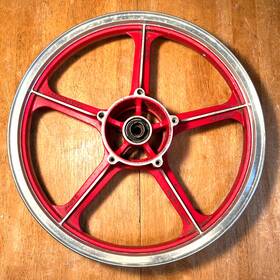
( Manufacturer Part Number: F-1075 ), ( Type: Rim ), ( Machine Type: Street Motorcycle ), ( Wheel Width: 1.85 ), ( Placement On Vehicle: Front Wheel ), ( Wheel Material: Aluminum ), ( Country Of Origin: Japan ), ( Part Type: Oem )
Review KAWASAKI Front Enkei Wheel Rim Straight fits GPZ550 GPZ750 1982–1983
The Kawasaki F-1075, a legendary motorcycle from the early 1980s, stands as a testament to the bold, aggressive styling and cutting-edge engineering that defined the era. This particular model, produced in 1982 and 1983, represents the pinnacle of Kawasaki s GPZ series, blending raw performance with a distinctive, futuristic aesthetic that turned heads on the road. The GPZ550 and GPZ750 variants both part of the F-1075 lineage were designed to dominate the sportbike landscape, offering a perfect balance of power, handling, and a bold, angular design that was ahead of its time. The GPZ750, in particular, was a force to be reckoned with, boasting a liquid-cooled, four-cylinder engine that delivered an exhilarating 72 horsepower, while the GPZ550 provided a more approachable yet still thrilling alternative with its air-cooled, four-cylinder powerplant. Both models shared a common DNA: a lightweight frame, advanced suspension, and a front-end that screamed speed and precision.
At the heart of this motorcycle s identity lies its front wheel, a rare and highly sought-after straight 19xMT1.85 Enkei rim, a component that not only enhances the bike s visual appeal but also contributes to its performance. Enkei, a brand synonymous with high-performance automotive and motorcycle wheels, crafted these rims with precision, ensuring a perfect balance of strength and weight savings. The straight design of the rim unlike the more common offset versions gives the F-1075 a raw, aggressive stance, reinforcing its sporty heritage. The 19-inch diameter strikes a perfect middle ground, offering a blend of stability and responsiveness, ideal for both track use and spirited road riding. The MT1.85 designation refers to the rim s width, which, when paired with modern or period-correct tires, provides excellent grip and cornering stability, allowing the rider to push the limits of the bike s already impressive handling.
Beyond its wheels, the F-1075 s design is a masterclass in 1980s motorcycle engineering. The bike s frame is a lightweight, high-strength steel construction, designed to channel power efficiently while maintaining agility. The suspension, featuring a front fork and rear shock setup, was tuned to absorb bumps while delivering a firm, predictable ride essential for a machine built for speed. The GPZ750 s liquid-cooled engine, in particular, was a marvel of its time, featuring a compact, inline-four layout that allowed for a low center of gravity and exceptional throttle response. The GPZ550, while air-cooled, retained the same aggressive styling and nimble handling, making it a favorite among riders who appreciated a more accessible yet still high-performance machine.
The F-1075 s influence extends far beyond its technical specifications, as it played a significant role in shaping the sportbike genre. Its angular headlamp, sharp fairing lines, and exposed engine components created a visual language that would inspire future generations of motorcycles. The bike s legacy is further cemented by its racing pedigree, as Kawasaki used the GPZ series as a platform for competition success, proving that its design wasn t just about looks it was built to win.
For collectors, restorers, and enthusiasts, the 1982-1983 Kawasaki F-1075 with its straight 19xMT1.85 Enkei front wheel rim is a rare and coveted piece of motorcycle history. The combination of its iconic design, proven performance, and the premium Enkei wheel adds a layer of exclusivity and authenticity that makes it a standout specimen. Whether displayed as a centerpiece in a garage or ridden on the road, this motorcycle embodies the spirit of an era when speed and style were inseparable, and it remains a symbol of Kawasaki s commitment to pushing the boundaries of what a motorcycle could be.
### **Pros and Cons of Buying a 1982-1983 Kawasaki F-1075, GPZ550, or GPZ750 with Front Enkei 19xMT1.85 Wheels**
#### **Pros**
1. **Classic Design and Nostalgia**
- The F-1075, GPZ550, and GPZ750 are iconic Japanese motorcycles from the early 1980s, known for their aggressive styling and cultural impact. Owning one offers a piece of motorcycle history and a strong sense of nostalgia for enthusiasts.
2. **Strong Engine Performance (GPZ Models)**
- The **GPZ550** features a 549cc parallel-twin engine with a reputation for reliability and smooth power delivery, making it a great beginner-friendly sportbike.
- The **GPZ750** (1982-1983) has a 748cc inline-four engine, producing around 65-70 hp, which was cutting-edge for its time. It offers a more powerful and sporty riding experience compared to the F-1075.
3. **Moderate Maintenance Costs (Compared to Modern Bikes)**
- Older Japanese motorcycles are generally easier and cheaper to maintain than modern bikes, especially if you have access to parts or can source them from aftermarket suppliers. Basic repairs like valve adjustments, chain maintenance, and carburetor tuning are straightforward for mechanics familiar with classic bikes.
4. **Enkei Wheels (19xMT1.85) Add Modern Appeal**
- The front Enkei wheels are a significant upgrade over stock OEM rims, offering better aerodynamics, lighter weight, and improved braking performance. Enkei wheels are also more durable and less prone to warping than some aftermarket alternatives.
- These wheels are compatible with modern tires, allowing for better grip and handling, which can make the bike feel more responsive and safer on modern roads.
5. **Community and Customization Potential**
- These bikes have a strong following, with many aftermarket parts available for tuning, including carburetors, exhaust systems, and suspension upgrades. The GPZ750, in particular, is a popular candidate for restoration and modification projects.
- The F-1075, while less common, has a cult following and offers opportunities for custom paint jobs, handlebar upgrades, and other aesthetic modifications.
6. **Fuel Efficiency (Compared to Modern Sportbikes)**
- The GPZ550 and GPZ750 are more fuel-efficient than many modern sportbikes, especially when ridden conservatively. The F-1075, with its 1,075cc V-twin, is thirstier but still more efficient than a modern 1,200cc sportbike.
7. **Lower Purchase Price (Compared to Modern Bikes)**
- These bikes are significantly cheaper to buy than modern sportbikes, making them accessible to riders on a budget. A well-maintained example can often be found for $3,000-$6,000, depending on the model and condition.
---
#### **Cons**
1. **Age-Related Wear and Tear**
- All three bikes are over 40 years old, which means they may have accumulated significant wear and tear. Common issues include:- **Rust**: Frame, suspension components, and exhaust systems may be rusted, especially if the bike was stored outdoors or in a damp environment.
- **Leaking Seals**: Oil leaks from the engine, transmission, or suspension are common due to aging gaskets and seals.
- **Worn Suspension**: Forks and shock absorbers may be shot, requiring replacement or rebuilding.
- **Carburetor Issues**: Older carburetors (e.g., Mikuni or Keihin) can develop leaks, clogging, or poor atomization, leading to rough idling or poor performance.
2. **Reliability Concerns**
- While Japanese bikes from this era are generally reliable, they were not built to last indefinitely without maintenance. The **GPZ750 s inline-four engine** is known for its durability, but it can develop issues like:
- **Rod bearing wear** (common in high-mileage examples).
- **Camshaft wear** (leading to poor valve sealing and oil consumption).
- **Ignition system failures** (points or electronic ignition components may need replacement).
- The **F-1075 s V-twin** is more robust but can suffer from:- **Crankshaft or connecting rod issues** in high-mileage bikes.
- **Carburetor drift** (the 2x40mm Mikuni carbs are notorious for developing leaks over time).
3. **Safety and Modern Standards**
- These bikes were not built with modern safety features in mind:- **No ABS**: Braking performance relies entirely on mechanical systems, which can be less effective than modern disc brakes with ABS.
- **Weaker Frame Rigidity**: Modern sportbikes use advanced materials (e.g., aluminum or carbon fiber) for better handling and crash resistance. Older bikes may feel less stable at high speeds or in aggressive cornering.
- **Poor Visibility**: The F-1075 s aggressive fairing and the GPZ s exposed frame can create blind spots, increasing the risk of accidents.
- **Lack of Modern Electronics**: No traction control, slipper clutches, or advanced telemetry means less assistance in slippery conditions or aggressive riding.
4. **Parts Availability and Costs**
- While parts for these bikes are widely available, some components (e.g., specific carburetors, suspension seals, or electrical parts) can be expensive or hard to find. Aftermarket suppliers (e.g., **Kawasaki Parts, Speed Pro, or eBay**) can help, but shipping costs may add up.
- **Enkei Wheels**: While the 19xMT1.85 wheels are a plus, they may require **modern 19-inch tires** (e.g., Michelin Power, Pirelli Diablo, or Dunlop Sportmax), which can be costly compared to OEM options.
5. **Insurance and Registration Challenges**
- Insuring an older bike can be difficult, especially if it s heavily modified or has high mileage. Some insurers may classify it as a "classic" and offer lower premiums, but others may charge more due to age-related risks.
- Registration fees may also be higher for older bikes, depending on local laws.
6. **Riding Experience Limitations**
- **GPZ550**: While fun, it s underpowered by modern standards and may feel slow on highways or in heavy traffic.
- **GPZ750**: More powerful but still lacks the refinement of modern sportbikes. The inline-four is smooth but can feel heavy at low speeds.
- **F-1075**: The 1,075cc V-twin is powerful but can be **heavy and slow at low speeds**, making it less practical for city riding. The ergonomics may also feel outdated compared to modern bikes.
7. **Environmental and Legal Concerns**
- Older bikes may not meet modern emissions standards in some regions, leading to restrictions on registration or use.
- **Exhaust systems** on these bikes are often loud and may violate noise ordinances in some areas.
---
### **Conclusion**
Buying a **1982-1983 Kawasaki F-1075, GPZ550, or GPZ750 with Enkei 19xMT1.85 wheels** can be a rewarding experience for riders who appreciate classic design, nostalgia, and the challenge of maintaining an older machine. The **GPZ750** is the most versatile option, offering a balance of power, reliability, and customization potential. The **GPZ550** is a great beginner-friendly sportbike, while the **F-1075** is ideal for riders who love the look and feel of a heavyweight cruiser with a twist.
However, these bikes come with **significant drawbacks**, including reliability issues, safety concerns, and the need for frequent maintenance. The **Enkei wheels** are a major upgrade but may require additional investment in tires and suspension tuning to ensure optimal performance.
### **Recommendation**
- **Buy if**:- You are an experienced rider comfortable with mechanical work and older bikes.
- You prioritize **nostalgia, classic styling, and the thrill of restoring a vintage machine**.
- You plan to **spend time maintaining and upgrading** the bike (e.g., rebuilding the engine, upgrading suspension, or modernizing the electrical system).
- You find a **well-documented example** with **low mileage (under 20,000 miles) and a clean service history**.
- You are okay with **compromising on modern safety features** and accepting that the bike may not be as reliable as a newer model.
- **Avoid if**:- You are a **casual rider** who wants a hassle-free, modern bike.
- You **cannot afford or do not want to spend money on repairs and maintenance**.
- You **prioritize safety and modern technology** (e.g., ABS, traction control, lightweight frames).
- You **live in an area with strict emissions or noise laws** that may restrict older bikes.
- You **need a practical daily rider** (these bikes are
Details:
The product is a front Enkei wheel rim specifically designed for Kawasaki GPZ550 and GPZ750 street motorcycles from the years 1982 1983. Made of aluminum and manufactured in Japan, this OEM part has a wheel diameter 19 inches width 1.85. It is a high-quality replacement part for motorcycle enthusiasts looking to maintain the authenticity and performance of their Kawasaki bikes.
part #: f1075 prices
- $56.25-$145.00
specifications cywhemo:
- for models: Gpz550, Gpz750
- for makes: Kawasaki
- for years: 1982-1983
- mpn: F-1075
- type: Rim
- machine type: Street Motorcycle
- wheel width: 1.85
- placement on vehicle: Front Wheel
- wheel material: Aluminum
- country of origin: Japan
- part type: Oem
offer cywhemo:
- quantity: 1
- started: March 30, 2026
- availability: In Stock
- best offers: True
- options: Ship-to-home
- sold: 0
general cywhemo:
- Motorcycle Scooter Parts Accessories > Wheels, Tires Parts > Wheels Rims
- condition: Used
payments cywhemo:
- credit card: Diners-club
- other
- wallet: Google-pay
shipping cywhemo:
- carrier: USPS
- type: Calculated
- transit: 4-10 Days
- class: Standard
- service: USPS Ground Advantage
- cost: $40.95
seller cywhemo:
- # reviews: 2197
- rating: 100.0%
- city: Petaluma, California
returns cywhemo:
- policy: Returns Accepted
- paid by: Seller
- time: 30 Days
Kawasaki F-1075 Is Similar To:
- 00kx250 Kawasaki 21 Front Wheel (41.4% similar) Otherwise, no dents-no missing spokes. Used JX 250 front wheel assembly as seen off a 2000 model. Has a small crack starting on the weld seam. Can be welded or use as is. You do not need pal to purchase items on. Will fit JX 125 bikes also. Great spare to have...(February 23rd, 2018)
- 0210-0205 Moose Racing Rear Rim Kawasaki Kx Suzuki Rm Black (20.1% similar) ...(March 27th, 2018)
- 109723 Kawasaki Rear Wheel Straight (43.5% similar) ...(July 22nd, 2018)
- 114780 Excel Front Rim Black April For Honda Kawasaki 681319604556 (19.2% similar) KX250 okay to use oem spoke nipples on model's. Number of holes: 36RIM size: 21X1. Brand new excel front rim 21X1. Honda FITMENT:CR125R 1995 -2009CR250R 1995 -2009CR500R 1995 -2009CRF250R 1995 -2009CRF250X 1995 -2009CRF450R 1995 -2009CRF450X 1995 -2009XR250R 1997 - 2004 XR400R 1996 - 2004 ...(March 22nd, 2018)
- 120-60 Zr17 Kawasaki Ninja Front Wheel Rim Tire (42.5% similar) Average wear for its age. In good working condition with warranty. Tire is Michelin and nearly new. Comes with a 30 day warranty...(October 31st, 2018)
- 1418490036 Tusk Complete Front Wheel Kawasaki Rim (18.6% similar) Kawasaki KX125 kawasaki KX250 KX250F KX450F the tusk impact complete wheel is a quality motocross and off-road motorcycle. Pre-assembled wheel is complete with rim, spokes, hub, bearings, seals, and spacers. Tusk complete 21 front wheel. Silver rim blue hub. Pre-assembled and ready to go includes ...(June 3rd, 2018)
- 1418500026 Tusk Complete Rear Wheel Kawasaki Rim (18.8% similar) Black rim spokes white hub. Spokes are made from quality 304 stainless steel wheel assembly is complete with high-quality sealed bearings, seals, and hard anodized wheel spacers. Hub is forged not cast from 6061 T-6 aluminum and CBC machined for precision fit, increased strength, maximum weight ...(June 3rd, 2018)
- 1418500031 Tusk Complete Rear Wheel Kawasaki Rim (18.8% similar) Rim size is 18X2. Kawasaki KX125 kawasaki KX250 KX250F KX450F the tusk impact complete wheel is a quality motocross and off-road motorcycle. Pre-assembled and ready to go includes rim, spokes, hub, bearings, seals, spacers. Black rim blue hub. Hub is forged not cast from 6061 T-6 aluminum and CBC ...(March 9th, 2019)
- 1418500042 Tusk Complete Rear Wheel Kawasaki Rim (18.8% similar) Tusk complete 19 rear wheel. Anodized rim is constructed from 7050 T-6 aluminum to be the strongest in market this motorcycle wheel made best materials and craftsmanship ensure durability performance. Hub is forged not cast from 6061 T-6 aluminum and CBC machined for precision fit, increased ...(June 3rd, 2018)
- 1418500052 Tusk Complete Rear Wheel Kawasaki Rim (18.8% similar) This motorcycle wheel is made from the best materials and craftsmanship to ensure durability performance. Performance wheel assembly for motocross and off-road racing applications. Tusk impact complete rear wheel. The tusk impact complete wheel is a quality motocross and off-road motorcycle. ...(January 18th, 2019)
- 1447520037 Tusk Wheel Set Front Rear Wheels Kawasaki (12.1% similar) Spokes are made from quality 304 stainless steel wheel assembly is complete with high-quality sealed bearings, seals, and hard anodized wheel spacers. Pre-assembled wheel is complete with rim, spokes, hub, bearings, seals, and spacers. Wheel kit includes one complete front and rear. Pre-assembled ...(November 20th, 2018)