YAMAHA 2A800 Front Wheel GTMX80
fits model: Gt80, Dt80. make: Yamaha. year: 1973–2015.
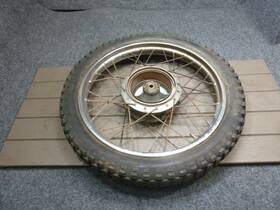
( Manufacturer Part Number: 2A800 ), ( Model: GT80 GTMX80 DT80 MX80 ), ( Machine Type: Dual Sport Motorcycle, Off-road Motorcycle ), ( Wheel Style: Multi Spoke ), ( Color: Black, Silver ), ( Items Included: Tire ), ( Wheel Material: Steel ), ( Placement On Vehicle: Front Wheel ), ( Wheel Construction: Spoked Wheel ), ( Manufacturer Warranty: No ), ( Oe/oem Part Number: 267-25111-00-y8, 94414-15058-00 ), ( Finish: Chrome ), ( Wheel Width: 1.40 ), ( Country Of Origin: Japan )
Review YAMAHA Mx80 Inch Front Wheel fits GT80 DT80 1973–2015
The Yamaha DT80/MX80, GT80, and GTMX80 along with the rare and highly sought-after 2A800 model represent a legendary chapter in off-road motorcycle history, blending raw performance, timeless design, and unmatched reliability from the late 1970s and early 1980s. These machines, particularly the DT80 and its variants, were pioneers in the sport of motocross and enduro, setting the standard for lightweight, air-cooled, single-cylinder powerhouses that could conquer everything from rugged trails to competitive arenas. The **Yamaha 2A800** (a rare, high-performance variant of the DT80) stands out as an engineering marvel, featuring a 79cc two-stroke engine with a unique **2A800** cylinder head design, which included a larger bore and refined porting for increased power output ideal for serious racers who demanded more from their bikes. The **DT80** and **MX80** followed closely, offering a balance of simplicity and performance, with a 79cc engine delivering around 20-25 horsepower, enough to propel riders at speeds exceeding 60 mph on open terrain. The **GT80** and **GTMX80** variants were designed with adventure in mind, featuring longer-travel suspension, a more upright riding position, and often a top-case storage compartment, making them perfect for long-distance enduro and dual-sport riding.
Visually, these Yamaha models exude a rugged, no-nonsense aesthetic that has become iconic in off-road biking culture. The **DT80/MX80** typically comes in a matte black or silver paint scheme, with a minimalist yet functional design language think a lightweight aluminum frame, a single-shock rear suspension (later models introduced dual shocks), and a simple but durable 15-inch front wheel paired with a 17-inch rear wheel for stability. The **GT80/GTMX80** often features a slightly more refined look, with a higher handlebar, a windscreen, and sometimes a top case, catering to riders who wanted versatility for both trail and road use. The **2A800**, while rare, retains the same bold, aggressive stance but with subtle performance-oriented tweaks, such as a slightly modified exhaust and a more aggressive camshaft profile for better throttle response.
Under the hood, these bikes are powered by Yamaha s legendary **2A800** or **2A79** engine a 79cc two-stroke single that was a game-changer in its time. The air-cooled, single-cylinder design is both simple and robust, with a reed-valve induction system that ensures smooth power delivery across a wide RPM range. The **2A800** variant, in particular, is known for its aggressive tuning, capable of producing peak power in the 25-30 horsepower range, making it a favorite among competitive riders. The transmission is a 5-speed manual, with a lightweight, direct-shift mechanism that allows for quick, precise gear changes essential for navigating tight trails or fast motocross tracks. The suspension is equally impressive for its time, with a **41mm front fork** and a **single rear shock** (or dual shocks in later GT models) that provide a comfortable yet responsive ride over rough terrain. The braking system is equally practical, featuring a single disc up front (on later models) or a drum brake on earlier versions, paired with a simple but effective rear drum brake.
What truly sets these Yamaha models apart is their **durability and adaptability**. Built to withstand the harshest conditions, these bikes were designed for riders who demanded reliability without sacrificing performance. The **DT80/MX80** was a workhorse on the motocross circuit, while the **GT80/GTMX80** became the go-to machine for enduro riders tackling long-distance adventures. The **2A800**, though less common, remains a prized possession among collectors and racers who appreciate its raw power and historical significance. Whether restored to showroom condition or left in a classic, battle-worn state, these bikes carry a sense of nostalgia and adventure that resonates with enthusiasts today. They are not just motorcycles they are pieces of off-road history, embodying the spirit of freedom, innovation, and the relentless pursuit of speed and endurance that defined a generation of riders.
### Yamaha GT80, GTMX80, DT80, MX80, and 15 Front Wheel Models (1973 1983, including the 2A800)
These Yamaha motorcycles represent a unique era of lightweight, affordable, and often underrated bikes. Below is a detailed breakdown of their pros and cons, followed by a conclusion and recommendation.
---
### **Pros**
1. **Affordability and Value**
- These bikes were designed to be budget-friendly, making them accessible for beginners, students, or those on a tight budget. Even used examples today can be purchased for a few hundred dollars, offering excellent value for the money.
- Parts are relatively inexpensive and widely available, especially for the more common models like the GT80 and MX80.
2. **Lightweight and Maneuverable**
- Weighing between 150 200 lbs (depending on the model), they are easy to handle, start, and park. This makes them ideal for urban commuting, short trips, or casual riding.
- The small wheelbase and low seat height contribute to nimble handling, making them suitable for inexperienced riders.
3. **Simple and Reliable Engines**
- The engines (typically 79cc or 80cc air-cooled two-strokes) are straightforward in design, with fewer components than modern bikes. This simplicity translates to lower maintenance costs and easier repairs.
- Many riders report these engines as durable, especially if properly maintained. The 2A800 (a later model with a slightly larger displacement) is often praised for its smoothness and reliability.
4. **Minimalist Features**
- These bikes lack modern complexities like electronic fuel injection, ABS, or advanced suspension tuning. This means fewer things can go wrong, and repairs are often DIY-friendly.
- The absence of advanced technology makes them easier to modify or customize (e.g., upgrading the exhaust, carburetor, or suspension).
5. **Great for Learning**
- The low power output (around 5 7 horsepower) and lightweight nature make them ideal for beginners learning to ride. They are forgiving on mistakes and easy to control at low speeds.
- The GT80 and similar models were often used as training bikes in riding schools.
6. **Nostalgia and Community**
- These bikes have a cult following among vintage motorcycle enthusiasts. Owning one connects you to a community of riders who appreciate the simplicity and charm of this era.
- Restoring or maintaining one can be a rewarding hobby, with many resources (forums, YouTube tutorials, and meetups) available online.
7. **Fuel Efficiency**
- Two-stroke engines are notoriously fuel-efficient, especially on these small displacements. You can easily get 100 miles per gallon, making them cost-effective for short trips.
8. **Easy to Store and Transport**
- Their compact size makes them easy to store in a garage, apartment, or even the trunk of a car. They can also be disassembled for easier transport or storage.
9. **Customization Potential**
- The simplicity of these bikes allows for creative modifications. You can easily swap out parts like the carburetor, exhaust, or even the frame for a more aggressive look or better performance.
- Many riders convert them to electric or hybrid setups, further extending their lifespan or reducing emissions.
10. **Low Environmental Impact**
- While two-stroke engines are not eco-friendly by modern standards, these bikes produce far less pollution than larger, modern bikes. They are also quieter than many older dirt bikes.
---
### **Cons**
1. **Outdated Safety Features**
- These bikes lack modern safety features such as disc brakes (most have drum brakes), traction control, or stability control. The braking performance is adequate but not as effective as modern systems.
- The lack of ABS means the risk of a rear-wheel lockup during hard braking is higher, especially on wet or uneven surfaces.
2. **Poor Weather Protection**
- Most models have minimal or no wind protection, and the rider is exposed to the elements. Rain, wind, and cold can make riding uncomfortable or unsafe.
- Some models (like the GT80) have very basic or no windshields, leaving riders vulnerable to wind chill and debris.
3. **Limited Power and Speed**
- The engines are underpowered by today s standards, with top speeds rarely exceeding 50 60 mph. This can be frustrating for riders who want to cruise at highway speeds or tackle hills with ease.
- The lack of power also means poor acceleration, especially when carrying passengers or cargo.
4. **Poor Ergonomics**
- The seating position is often uncomfortable for longer rides, with a forward-leaning posture that can strain the back and wrists. The handlebars are typically high and narrow, which may not suit all riders.
- The footpegs are small and poorly positioned, making it difficult to place your feet comfortably, especially on longer rides.
5. **Rust and Corrosion**
- Many of these bikes were not built with rust resistance in mind. Older examples may suffer from rust in the frame, suspension, or engine components, especially if they were stored outdoors or in damp conditions.
- The 15-inch front wheel models (like the 15 Front Wheel GT80) are particularly prone to rust issues due to the design of the front fork and wheel.
6. **Limited Comfort for Long Distances**
- The small seat and lack of suspension travel make these bikes uncomfortable for anything beyond short trips. Vibrations from the engine and road are transmitted directly to the rider.
- There is no suspension adjustment, so comfort is fixed and often inadequate for rough roads or long rides.
7. **Legal Restrictions**
- Many of these bikes are classified as "mopeds" or "motor scooters" in some regions, meaning they may have speed or power restrictions. In some places, they may require a moped license rather than a full motorcycle license.
- Some jurisdictions have banned or restricted the use of two-stroke engines due to emissions regulations, so check local laws before purchasing.
8. **Parts Availability and Longevity**
- While parts are available, they may not always be easy to find, especially for older or less common models. Some components (like O-rings, gaskets, or specific carburetor parts) may require sourcing from specialty vendors.
- The bikes are not built for longevity by modern standards. With proper care, they can last decades, but many components (like the clutch, chain, or bearings) will eventually wear out and need replacement.
9. **Resale Value**
- These bikes have little to no resale value. They are primarily bought by collectors or enthusiasts, and even well-maintained examples will not hold their value.
10. **Environmental Concerns**
- Two-stroke engines emit unburned fuel and oil into the exhaust, contributing to air pollution. While this is less of an issue for short rides, it is a significant drawback for environmentally conscious riders.
- Many modern areas have restrictions on two-stroke engines, so riding one may be limited to certain zones or times.
11. **No Modern Conveniences**
- These bikes lack features like digital dashboards, Bluetooth connectivity, or even basic amenities like a rearview mirror (some models have none). Riding can feel primitive by today s standards.
- There is no storage space for a helmet, jacket, or other essentials, making them impractical for longer trips.
12. **Safety Risks**
- The lack of modern safety features increases the risk of accidents. For example, the absence of traction control means the rear wheel can easily spin out, especially on slippery surfaces.
- The small size and low power also mean the bike may not be able to react quickly to obstacles or hazards, putting the rider at a disadvantage in traffic.
---
### **Model-Specific Considerations**
#### **Yamaha GT80 (1973 1983)**
- **Pros:** The most common and widely available of the group. Simple, reliable, and easy to find parts for. Often used as a training bike.
- **Cons:** Poor wind protection, uncomfortable seating, and limited power. The 15-inch front wheel models are particularly prone to rust.
#### **Yamaha GTMX80**
- **Pros:** Slightly more aggressive styling than the GT80, with a slightly larger engine (80cc). Often considered the "sporty" version of the GT80.
- **Cons:** Still lacks wind protection and has the same ergonomic issues. The suspension is basic and not suitable for rough roads.
#### **Yamaha DT80**
- **Pros:** Designed for off-road use, with a more rugged frame and better suspension for its time. The "Dirt Track" model is more durable than the street versions.
- **Cons:** Not ideal for street riding due to its lack of wind protection and higher seat height. The engine is still underpowered for serious off-road use.
#### **Yamaha MX80**
- **Pros:** A true off-road bike, with a more aggressive stance and better suspension for dirt riding. Often considered the most capable of the group for trail use.
- **Cons:** Not street-legal in many areas due to its lack of lights and mirrors. The ergonomics are poor for long rides, and the engine is not powerful enough for serious motocross.
#### **15 Front Wheel Models (e.g., 15 Front Wheel GT80
Details:
THIS IS A USED VINTAGE 1980 1973 - 1983 Yamaha GT80 GTMX80 DT80 MX80 15 INCH FRONT WHEEL STRAIGHT.HAS SIGNS OF BEING SCRATCHES,SCUFFS,DINGS,MARKS,OILY,DIRTY NORMAL WEAR AND TEAR.NO CRACKS OR BROKEN SPOKES.TIRE BAD NEED TO BE REPLACED.PART HAS NOT BEEN CLEANED WILL COMES AS SHOWN IN PICTURES PLEASE LOOK OVER BEFORE BUYING.#52733.
part #: 2a800 prices
- $24.50-$149.99
specifications cywhemo:
- for models: Gt80, Dt80
- for makes: Yamaha
- for years: 1973-2015
- mpn: 2a800
- model: Gt80 Gtmx80 Dt80 Mx80
- machine type: Dual Sport Motorcycle, Off-road Motorcycle
- wheel style: Multi Spoke
- color: Black, Silver
- items included: Tire
- wheel material: Steel
- placement on vehicle: Front Wheel
- wheel construction: Spoked Wheel
- manufacturer warranty: No
- oe/oem part number: 267-25111-00-y8, 94414-15058-00
- finish: Chrome
- wheel width: 1.40
- country of origin: Japan
offer cywhemo:
- started: February 24, 2026
- availability: In Stock
- options: Ship-to-home
- sold: 0
- quantity: 1
shipping cywhemo:
- transit: 4-10 Days
- service: USPS Priority Mail
- cost: $0.00
- type: Fixed
- carrier: USPS
- class: Expedited
payments cywhemo:
- credit card: Visa
- other
- wallet: Apple-pay
seller cywhemo:
- rating: 99.7%
- city: Fresno, California
- # reviews: 55597
general cywhemo:
- Motorcycle Scooter Parts Accessories > Wheels, Tires Parts > Wheels Rims
- condition: Used
returns cywhemo:
- policy: No Returns
Yamaha 2A800 Is Similar To:
- 00-0000-00 Yamaha Front Rear Wheels Hubs Spokes Rims Rotors Yz (27.1% similar) 1992 Yamaha YZ125 front rear wheel assemblies free shipping used fair CONDITION21 assemblies comes as pictured no cracks major dents - normal wear tear scratches may fit other years model's...(August 28th, 2018)
- 02100279 Did Mx Dual Sport Front Motorcycle Rim Silver Ktm Yamaha (29.4% similar) Made with a special 7 series aluminum and has been designed to shave weight for mx offload racing while maintaining the optimum balance between strength. Did dirt star LTZ front rim this is ultra lightweight while maintaining the same strength as competitors strongest rims...(April 30th, 2018)
- 1059082 Yamaha Front (26.4% similar) Front wheel off 2016 with Dunlap D606 used tire...(May 11th, 2018)
- 1065589 Yamaha Star Tourer Front Wheel Rim (37.2% similar) If the item does not fit motorcycle model's specified in listing. Many countries only allow 79 max package length and girth combined. More options available upon request. Each part is systematically placed to be easily located once purchased...(May 17th, 2018)
- 10l-25338-20-8l Not Specified Yamaha Midnight Virago Rear Back Wheel Rim (23.8% similar) The rear wheel has light scratches. 1983 yamaha midnight virago 920 XV920M rear back wheel rim 10L 8l this is in good condition with minor cosmetic flaws. Removed from: 1983 yamaha midnight virago 920 XV920M please review all pictures to assess the condition of item...(March 15th, 2019)
- 10l-25338-20-98 Not Specified Yamaha Virago Rear Back Wheel Rim (22.4% similar) Some corrosion in the drum area. Needs to be cleaned up. Not warped or dented. I will offer competing shipping options depending on the item. Removed from: 1982 yamaha XJ750 maxim with about 9268 miles please review all pictures to assess the condition of item. See below short video demonstrating ...(September 6th, 2018)
- 10v-25311-00-98 Not Specified Yamaha Rear Back Wheel Rim (23.6% similar) This wheel has a little wobble. Removed from: 1997 yamaha RT180 please review all pictures to assess the condition of item. The rear wheel has some rust as seen in pictures...(February 12th, 2019)
- 1137 Yamaha Yzf Front Wheel Rim Straight (34.2% similar) ...(March 25th, 2018)
- 1165-bronze Unbranded New Gloss Bronze Front Wheel Yamaha Rim (30.3% similar) As you can see in the pictures they are excellent quality. This is a brand new wheel. If the wheel is defective, I will send you a replacement same day, and return label for defective. Same day FedEx or USPS priority mail shipping on most orders placed before 2:00 pm eastern. The wheels are factory ...(August 30th, 2018)
- 148264 Moose Racing Xcr Wheel Front Black Yamaha (25.2% similar) Sprocket and rotor bolts included captive wheel spacer for quick changeable T305 stainless steel spokes maximum strength lasting finish forged 7075-T6 aluminum nipples with unlock thread treatment keep tight includes black rim, hub, silver nipple fit guide model Cr SIZE1...(July 8th, 2018)
- 148369 Moose Racing Xcr Wheel Front Black Yamaha (26.9% similar) Sprocket and rotor bolts included captive wheel spacer for quick changeable T305 stainless steel spokes maximum strength lasting finish forged 7075-T6 aluminum nipples with unlock thread treatment keep tight includes black rim, hub, silver nipple fit guide model Cr SIZE1...(October 23rd, 2018)